


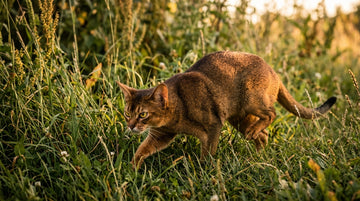
Cats require two to three times more dietary protein than dogs because they are obligate carnivores, meaning their bodies are biologically adapted to derive energy, essential amino acids, and key nutrients almost exclusively from animal tissue. This is not a dietary preference or a label marketers invented. It is a fundamental metabolic reality rooted in millions of years of evolution. Cats lack several metabolic pathways that omnivores like dogs use to synthesize nutrients from plant-based sources, making animal protein a non-negotiable foundation of feline nutrition.
What Makes Cats Obligate Carnivores?
The term "obligate carnivore" means that cats are obligated by their biology to eat meat. While dogs and humans can adapt to a wide range of diets (including plant-heavy ones), cats have specific metabolic limitations that make this impossible without severe health consequences:
- Cats cannot synthesize taurine: Unlike dogs, cats cannot make taurine from other amino acids. Taurine is found exclusively in animal tissue, and deficiency leads to dilated cardiomyopathy (heart failure), retinal degeneration (blindness), and reproductive failure.
- Cats cannot convert plant-based omega-3s: Dogs and humans can convert ALA (from flaxseed, chia) into EPA and DHA. Cats have extremely limited capacity for this conversion, making preformed EPA and DHA from animal sources (fish oil, marine sources) essential.
- Cats cannot synthesize niacin from tryptophan: Most mammals produce vitamin B3 from the amino acid tryptophan. Cats lack the enzyme for this conversion and must consume niacin directly from meat.
- Cats cannot convert beta-carotene to vitamin A: Dogs and humans convert beta-carotene from plants into active vitamin A. Cats cannot, and must get preformed vitamin A from animal liver or supplemented sources.
- Cats have an obligatory high protein catabolism rate: Even when dietary protein is scarce, a cat's liver enzymes continue breaking down protein for energy at the same rate. Their bodies are simply not designed to downregulate protein metabolism the way omnivores can during protein restriction.
Protein Requirements: Cats vs. Dogs vs. Humans
| Species | Min Protein (% of calories) | Optimal Protein Range | Classification |
|---|---|---|---|
| Adult Cat | 26% (AAFCO minimum) | 40% to 55% of calories from protein | Obligate carnivore |
| Adult Dog | 18% (AAFCO minimum) | 25% to 35% of calories from protein | Facultative carnivore / omnivore |
| Adult Human | 10% (RDA) | 15% to 25% of calories from protein | Omnivore |
Why Protein Quality Matters as Much as Quantity
Not all proteins are equal. The biological value of a protein measures how efficiently your cat's body can use it. Animal proteins from muscle meat, organs, and eggs have significantly higher biological value for cats than plant-based proteins from corn, soy, or wheat gluten.
Animal Protein Advantages
- Complete amino acid profile: Animal tissue naturally contains all 11 essential amino acids cats need, including taurine, arginine, and methionine, in appropriate ratios.
- High digestibility: Cats digest animal proteins at rates of 85% to 95%, compared to 60% to 80% for plant proteins.
- Natural nutrient package: Animal protein comes bundled with taurine, preformed vitamin A, arachidonic acid, EPA, DHA, and B12, which are nutrients cats cannot get from plants.
The Problem with Plant Protein in Cat Food
Some cat foods use corn gluten meal, soy protein isolate, or wheat gluten to boost the protein percentage on the label. While these ingredients are protein-rich on paper, they lack taurine, have lower digestibility, and may be deficient in essential amino acids like methionine and arginine. A cat food showing 30% crude protein from corn gluten is not nutritionally equivalent to 30% crude protein from chicken.
When evaluating cat food, look at the ingredient list, not just the guaranteed analysis. Named animal proteins (chicken, turkey, salmon, beef) should appear as the first and ideally the second ingredient. "Meat by-products" and "animal digest" are lower-quality protein sources that vary widely in composition.
What Happens When Cats Do Not Get Enough Protein
Because cats cannot downregulate their protein metabolism, inadequate protein intake triggers the body to break down its own muscle tissue for amino acids. This leads to:
- Muscle wasting (sarcopenia): Visible muscle loss, especially along the spine and hind legs. This is not just a cosmetic issue. It reduces mobility, weakens the immune system, and decreases overall resilience.
- Weakened immune function: Antibodies are proteins. Insufficient protein intake directly compromises the immune system's ability to respond to infections and disease.
- Poor wound healing: Tissue repair requires amino acids. Protein-deficient cats heal slowly from injuries, surgeries, and infections.
- Organ dysfunction: Chronic protein deficiency can affect liver function, red blood cell production, and enzyme activity throughout the body.
- Coat deterioration: Hair is almost entirely protein (keratin). Insufficient dietary protein results in a dull, brittle coat and increased shedding.
How to Ensure Your Cat Gets Enough High-Quality Protein
Choose the Right Base Diet
Select a cat food where named animal proteins are the first one to two ingredients. Aim for foods providing at least 40% of calories from protein (check the calorie distribution, not just the guaranteed analysis percentage). Wet food typically provides a higher proportion of protein calories than dry kibble because kibble requires starch for the extrusion process.
Supplement Strategically
Even high-quality commercial diets benefit from targeted supplementation. A gravy topper made from real bone broth, like Altira's Cat Gravy Nutrition Topper, adds digestible animal-sourced protein along with taurine, omega-3 fish oil, and glucosamine. This is especially valuable for senior cats who need extra protein to combat age-related muscle loss but may have reduced appetites.
Avoid the "Grain-Free" Trap
Grain-free does not automatically mean high-protein. Many grain-free cat foods replace grains with potatoes, peas, or lentils, which still contribute significant carbohydrate calories. Focus on the protein source and caloric protein percentage rather than the presence or absence of grains.
Protein Needs Across Life Stages
Protein requirements shift throughout a cat's life:
- Kittens: Require the highest protein levels (30%+ on a dry matter basis) to support rapid growth, muscle development, and organ maturation.
- Adult cats (1 to 7 years): Maintenance levels of 26% to 30% minimum, though most cats thrive at higher levels when the protein is high-quality animal-sourced.
- Senior cats (7+ years): Contrary to outdated advice, senior cats actually need more protein, not less. Research shows cats over 12 require approximately 25% more protein than younger adults to maintain lean body mass.
For more on how to adjust nutrition as your cat ages, see our comprehensive guide to senior cat nutrition after age 7.
The Bottom Line
Your cat's need for high-quality animal protein is not a marketing angle. It is a biological reality shaped by evolution. Cats lack the metabolic flexibility that allows dogs and humans to thrive on varied diets. When choosing food and supplements for your cat, prioritize animal-sourced protein above all else, verify that the first ingredients are named meats or fish, and ensure that taurine, omega-3s, and other animal-derived nutrients are adequately represented. Understanding your cat as an obligate carnivore is the foundation of every good nutritional decision you will make for them. For a broader comparison of top nutrition products, visit our complete guide to cat food toppers and supplements.


